
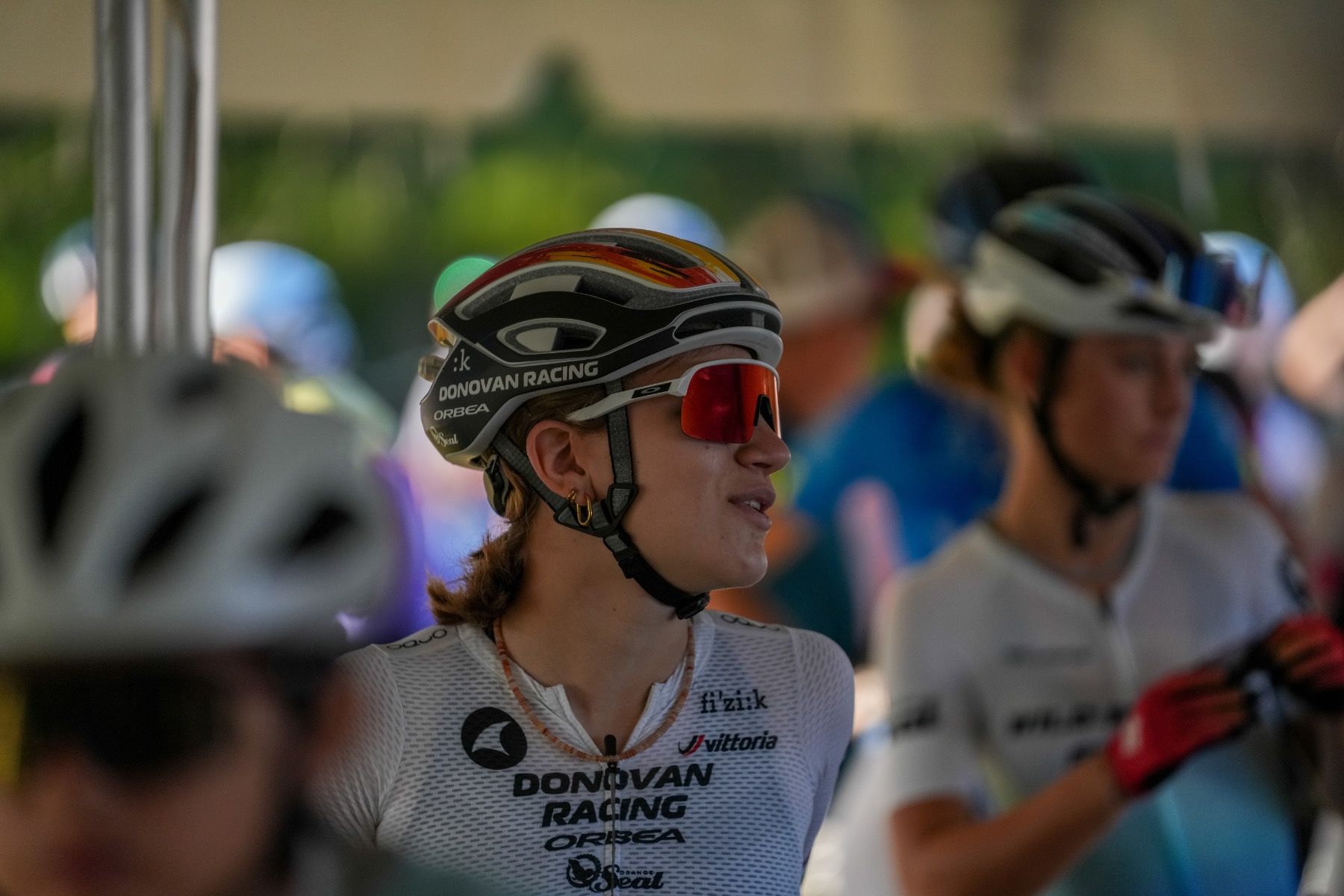
For junior cyclists, strong race performances are supported by adequate carbohydrate intake and hydration in the 1–3 days before racing. These habits help ensure sufficient glycogen availability, stable energy levels, and better tolerance of race-day efforts.
Why Fueling Starts Before Race Day
What athletes eat and drink in the days before a race influences energy and focus on race day. Consistent fueling supports learning, enjoyment, and safe participation. Last-minute nutrition choices cannot fully compensate for under-fueling earlier in the week.
Key Evidence-Based Concepts
- Carbohydrates are the body’s primary fuel during moderate-to-high intensity cycling
- Glucose fuels working muscles during riding
- Glycogen is stored glucose in muscle and liver and supports harder efforts
- Muscle glycogen stores are finite, and low carbohydrate availability is associated with fatigue
- Glycogen is stored in muscle along with water, so hydration supports carbohydrate storage and use
- Familiar foods and appropriate timing reduce GI discomfort during racing
1–3 Days Before Racing: Supporting Carbohydrate Availability — Carbo-Load the Right Way
Performance isn’t just about race-morning food. The days before the race are when cyclists “fill the tank.” The goal: maximize glycogen stores and minimize GI issues.
Encourage slightly higher carbohydrate intake to match increased training and race demands. Increase carbohydrate intake across meals and snacks. Focus on familiar, easy-to-digest foods. This is not a license for junk food.
Examples: - Pasta with light sauce - White rice with soy sauce - Sweet potatoes - Oatmeal - Bagels - Quinoa - Pancakes or waffles
Foods to Temporarily Scale Back (24–48 Hours Before)
Higher fat and fiber foods digest more slowly and may increase GI discomfort during intense exercise. They can increase fullness, reduce carb intake, and cause GI upset.
Temporarily reduce: - Fried foods - Heavy or creamy sauces - Fatty meats - Very large portions of high-fiber foods or raw vegetables - Large amounts of protein (especially red & processed meats) - High fat meals
Although some of these foods are healthy year-round (fiber, lean proteins, healthy fats), this is a short-term race-week adjustment, not a daily rule.
The Night Before the Race
Goal: Support carbohydrate availability while minimizing GI stress. High carb, low fat, low fiber, small lean protein.
Plate structure: - Large carbohydrate portion - Small amount of lean, familiar protein - Lower fat and fiber
Examples: - Rice with grilled fish or eggs - Pasta with marinara or light sauce - Sweet potatoes with tofu - Pancakes or waffles
Gluten-free options: - White rice or rice noodles - Potatoes - Gluten-free pasta - Certified gluten-free oats
Hydration as Part of Fueling — Fuel’s Teammate
Glycogen is stored in muscle along with water, meaning hydration supports the body’s ability to store and use carbohydrate fuel.
Hydration guidance: - Build hydration habits in the days before racing. Start 2-3 days before racing. - Focus on hydration with water and appropriate sports drinks (electrolyte solutions) rather than caffeinated energy products. - Drink water regularly (drink half your body weight in ounces daily) - Pale yellow urine may be used as a simple hydration check. - Older adolescents may need up to ~1L/hour during long or hot efforts - Electrolytes may be helpful during longer or hotter events.
Race-Morning Fueling Routine
Emphasize familiarity and practice.
3–4 Hours Before the Race
Purpose: Support liver glycogen and stable blood glucose.
Guidelines: - High carbohydrate - Lower fat and fiber - Small amount of protein is acceptable
Examples: - Oatmeal with banana - Toast with peanut butter, banana, and honey - Bagel with cream cheese - Pancakes - White rice with soy sauce - Smoothies using familiar ingredients (low fiber) - Cream of wheat
1 Hour Before
Small, easy-to-digest carbohydrate snack (banana, applesauce, nutrition bar, rice cake).
15 Minutes Before
Optional fast-acting carbohydrates that have been practiced in training (gel, gummies, carbohydrate drink).
Key Takeaway
For junior cyclists, effective race fueling is about consistent carbohydrate intake, hydration, and familiar routines practiced over time. These habits support energy, focus, and enjoyment of racing while aligning with long-term athlete development principles.
References
1. Burke, L. M., et al. (2018). Carbohydrates for training and competition. Journal of Sports Sciences
2. Impey, S. G., et al. (2018). Fuel for the work required. Sports Medicine
3. Murray, B., & Rosenbloom, C. (2018). Fundamentals of glycogen metabolism. Nutrition Reviews
4. Jeukendrup, A. E. (2019). Training the gut for athletes. Sports Medicine
5. Naderi, A., et al. (2023). Carbohydrate intake in endurance exercise. Nutrients
6. Logan-Sprenger, H. M., et al. (2019). Hydration considerations for youth athletes. Sports Medicine